

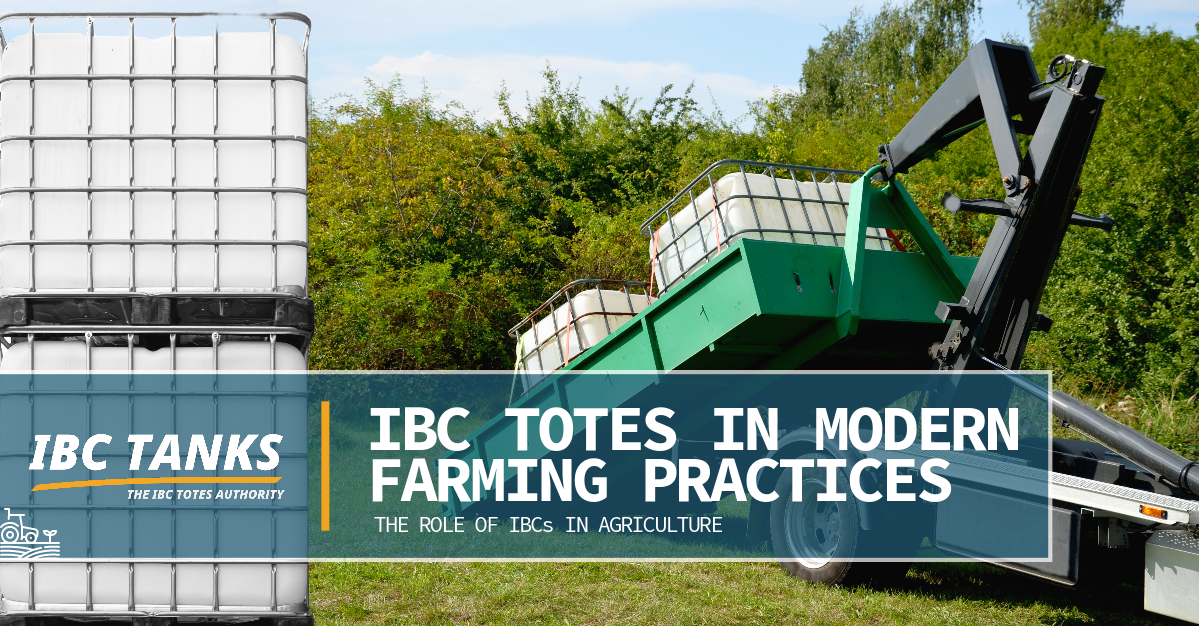
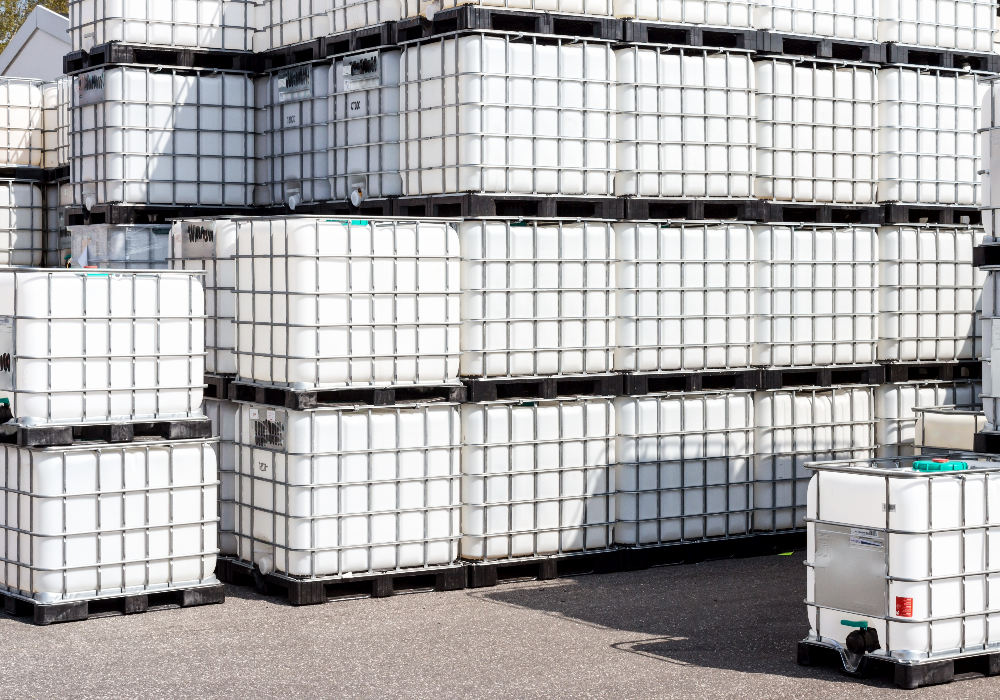
In recent years, intermediate bulk containers, commonly known as IBC totes, have seen increasing use and popularity across agriculture and modern farming practices. These highly versatile, reusable industrial containers can be used to transport and store a wide range of bulk liquids and granulated cargo. Today’s farmers value the IBC tote for its smart and practical design that boosts workflow efficiency and ensures product integrity from farm to table.
Different IBC Totes Used in Agriculture
There are several types of IBC tote containers that can be and are used throughout agriculture and the many different applications common to the agricultural industry. The different IBC types differ in their construction material and may differ in select features, but much of the beneficial engineering remains similar between IBC tote types. The different IBC totes used in agriculture include:
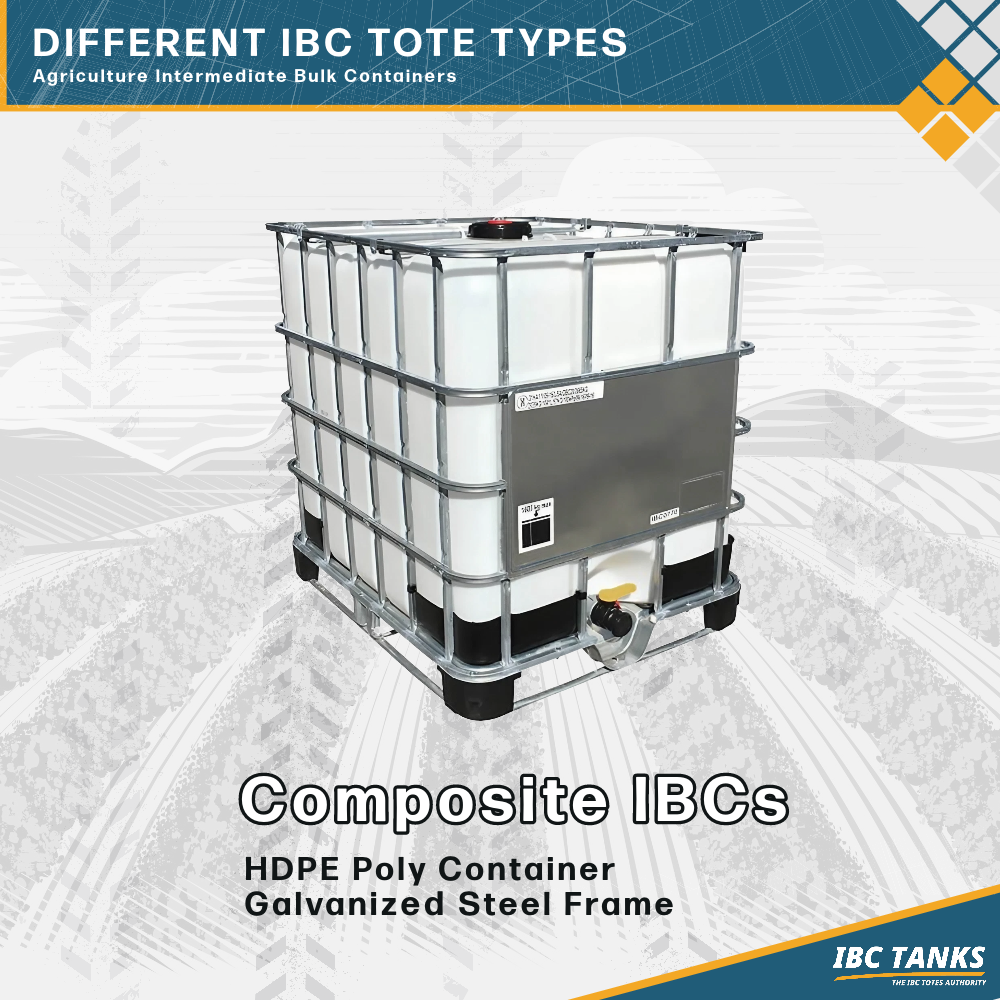
Plastic Composite IBCs:
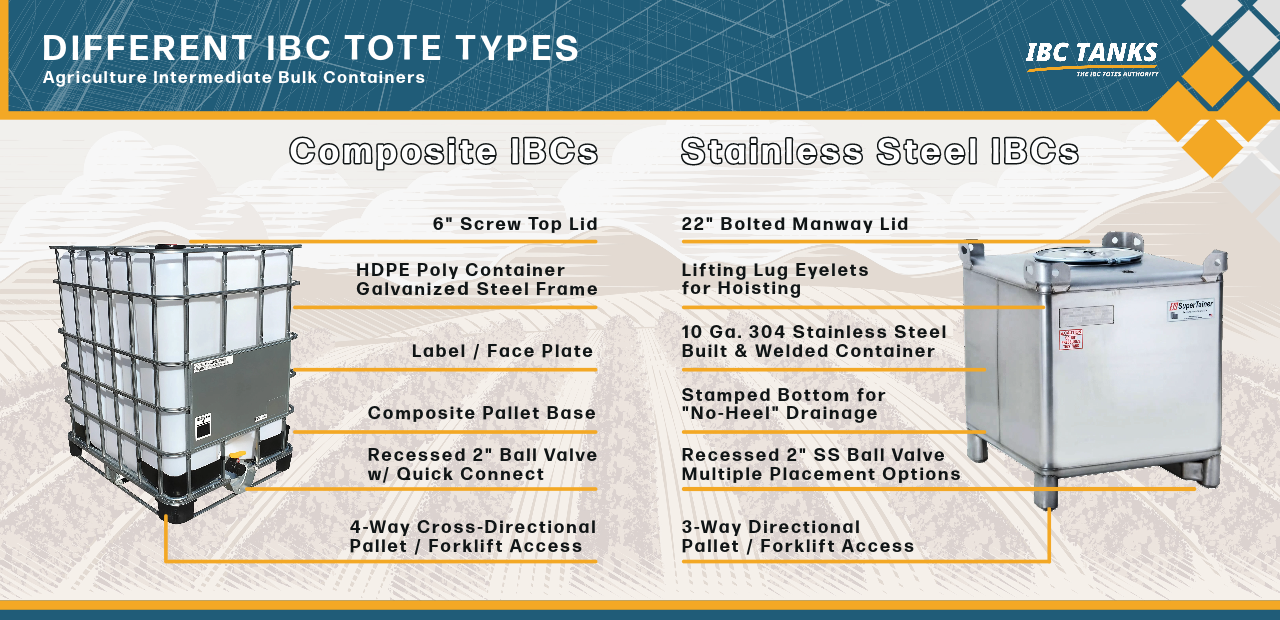
These are tote containers made from two materials, hence the name composite IBCs. Composite IBCs have a high-density polyethylene (HDPE) container supported by a metal frame, often galvanized steel. High-density polyethylene is a type of plastic and is the same type frequently used in food packaging containers such as milk cartons.
Also known as a poly caged tote, this IBC is the most well-known and used of all IBC types. In agriculture, the poly caged tote is often used for water, ingredients, grain, feed, dairy, and crop performance chemicals such as fertilizers and pesticides. Composite IBCs are durable, lightweight, and resistant to rust and corrosion from many common chemicals.
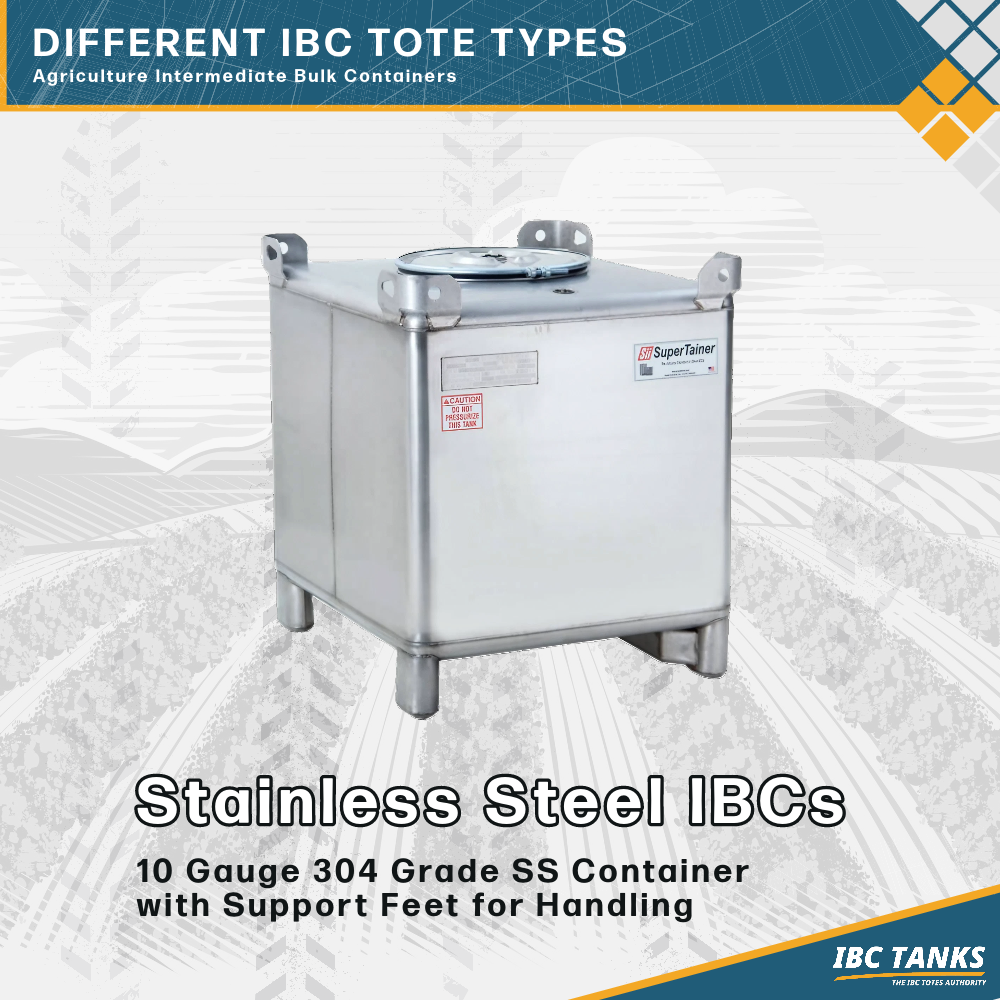
Stainless Steel IBCs:
These are IBC tanks built from 304 or 316 grade, 10 gauge thick stainless steel metal. Stainless steel IBCs, sometimes shortened SS IBCs, are ideal for uses that require the compatibility or greater hygiene capabilities of stainless steel.
Their design differs from traditional IBCs and SS IBCs are considered a premium option due to their longevity, reusability, and ability to be cleaned. SS IBCs have a 22-inch (nom.) wide-mouth lid that allows easier access into the tank for cleaning, mixing, and other applications.
Stainless steel IBCs can also be manufactured with a true center discharge valve that is ideal for viscous liquids and jobs that can benefit from more complete draining. In agriculture, the stainless steel IBC is often used for ingredients, high purity liquids, dairy, ag chemicals, organic products, purées, concentrates, and final products such as wine, syrup, or food oils.
IBC Tote Applications in Modern Farming
IBC containers have found extensive use in modern farming as well as alternative and improved sustainability applications and practices.
Irrigation:
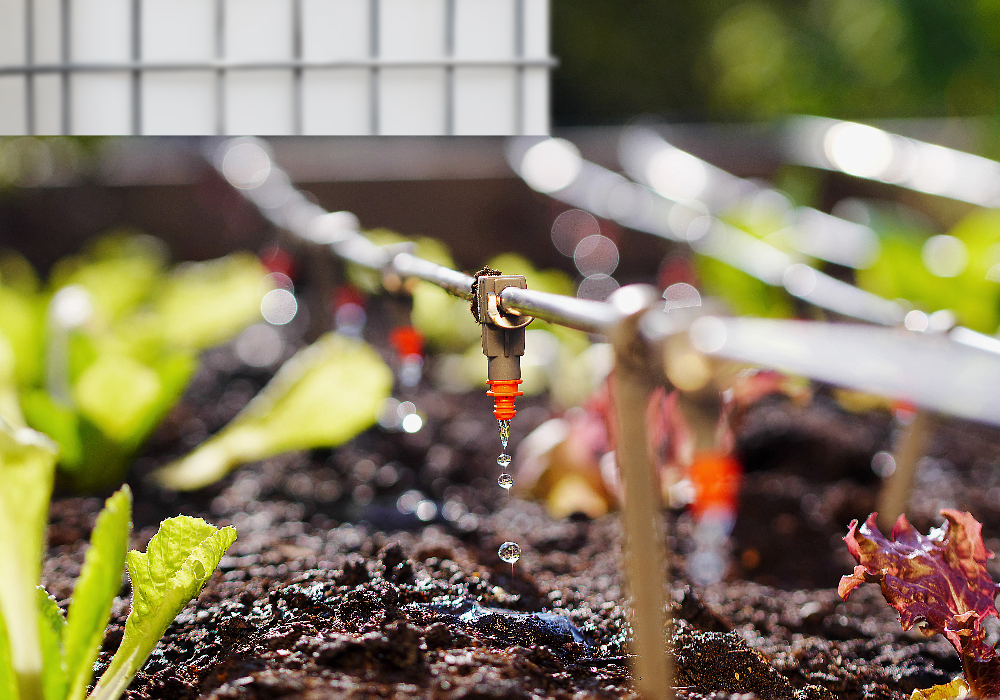
IBC totes can be used to store and distribute water for irrigation purposes. They can provide water where water resources may be limited or unavailable or be used directly in drip irrigation setups, in recycled water systems, and in nutrient delivery systems used to mix fertilizers into water for crop delivery.
Resource Processing:
Stainless steel IBCs, due to their wide-mouth lid, can be used to process (blending, adding, preparing, aging, etc.) raw materials, ingredients, or products for their use in an application that requires them or for preparation for sale.
Handling Fertilizers and Pesticides:
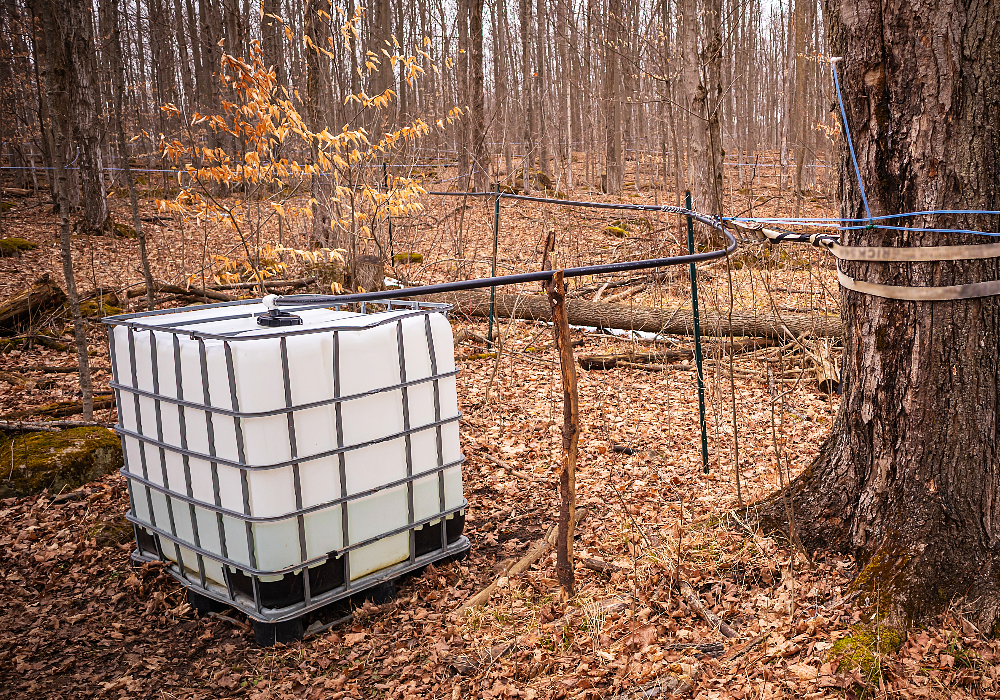
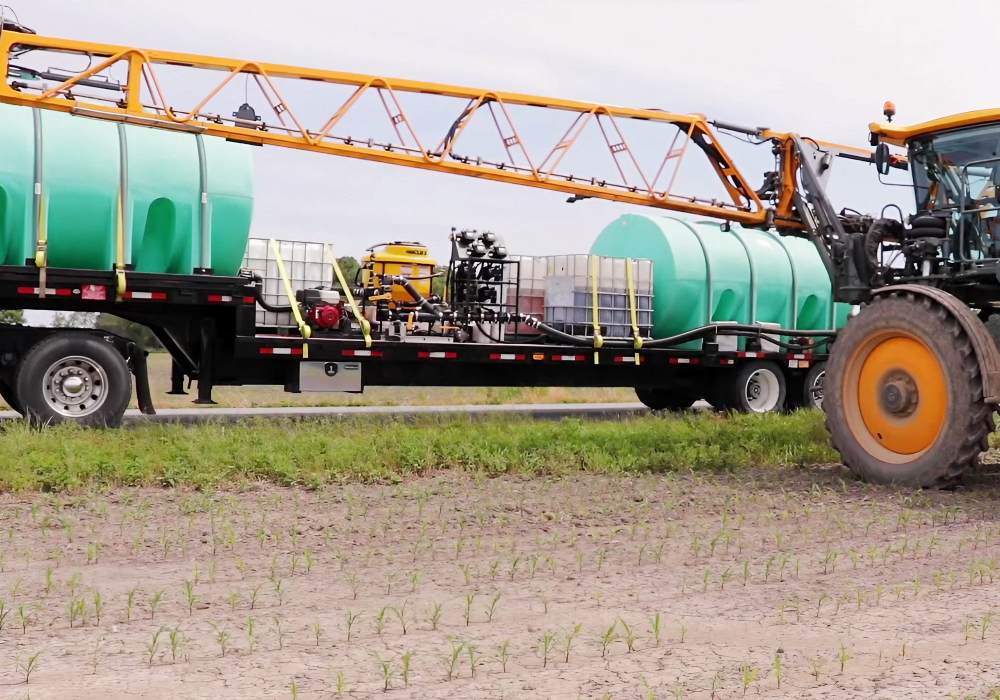
IBC containers are used to safely store and transport many of the performance chemicals (pesticides, fungicides, fertilizers, etc.) used in farming. Due to their large capacity, IBCs allow more product to be kept on-hand or be bought in bulk and reduces the number of smaller, disposable containers.
Due to their maneuverability and versatility, IBCs allow transportation to occur faster and therefore work to be streamlined. IBC totes are secure containers built to protect their cargo from outside contamination and from spilling, making IBCs a safer option for both workers and the environment.
Livestock Feed Storage:
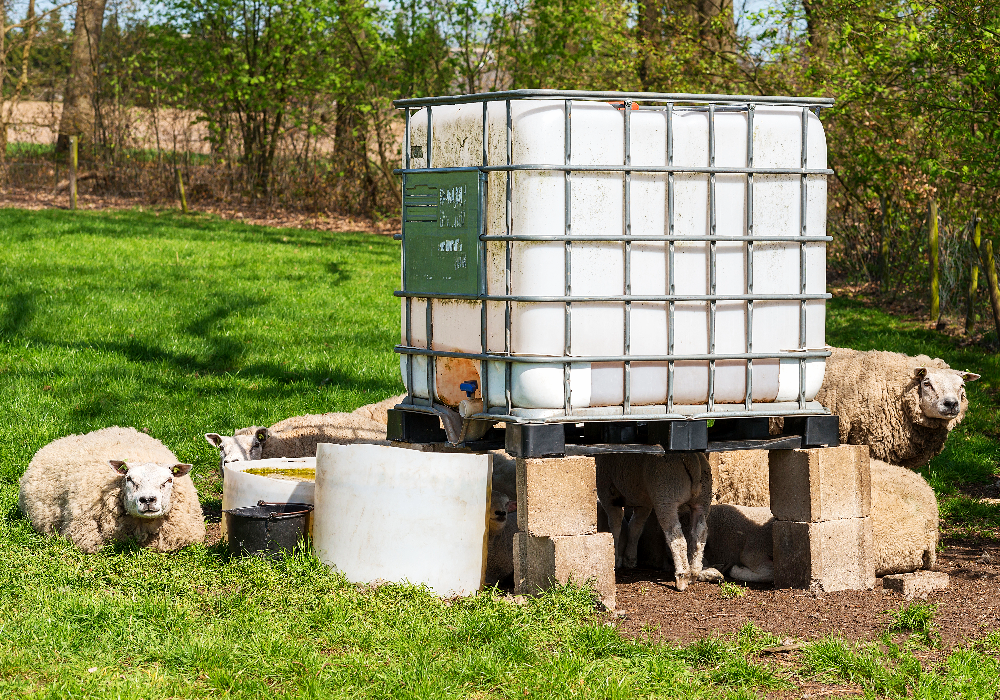
With their large capacity and closed-container engineering, IBC totes can be used to safely store, transport, and dispense bulk quantities of animal feed. The built-in ball valve outlet can be used to control the flow of feed so the right amount can be dispensed. Using IBCs for this application can help farmers to efficiently manage and protect their feedstock from moisture or pests so it can be used for their livestock.
Dairy Applications:
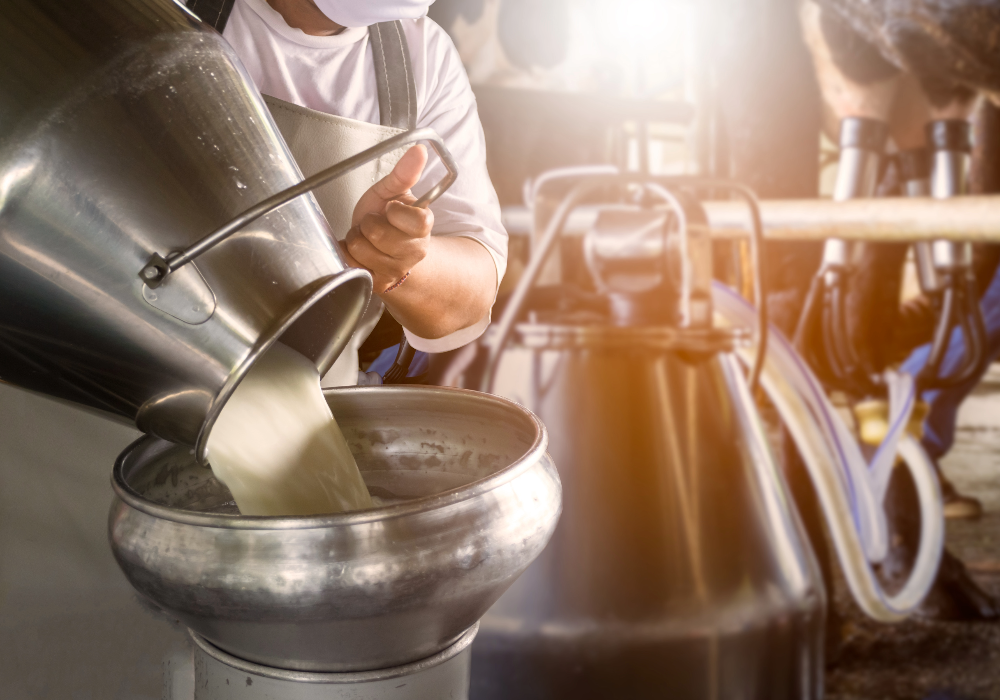
IBC totes can be used in dairy applications such as transporting milk, fermentation, or storage of products and ingredients. All modern IBC totes, both plastic poly totes and stainless steel IBC tanks, are made from materials safe for handling food grade products and ingredients. Brand new and rebottled plastic IBCs are made from virgin, food grade, FDA approved, BPA free resin and are ANSI/NSF 61 certified making them suitable for consumables and potable water.
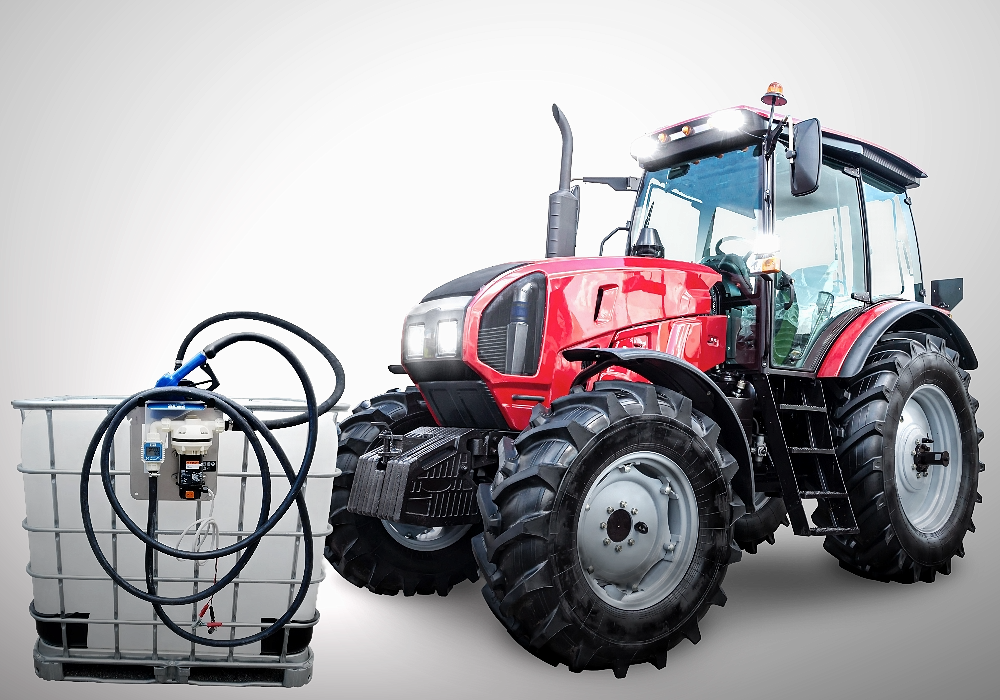
Diesel Exhaust Fluid:
Many modern farm vehicles and equipment have diesel powered engines with a selective catalytic reduction (SCR) system that requires diesel exhaust fluid (DEF) to reduce emissions. Dedicated DEF IBC totes can store significant volumes of diesel exhaust fluid, and with a built-in dispensing system, they can speed up refilling operations, reduce purchase frequency, and lessen the waste of many disposable containers.
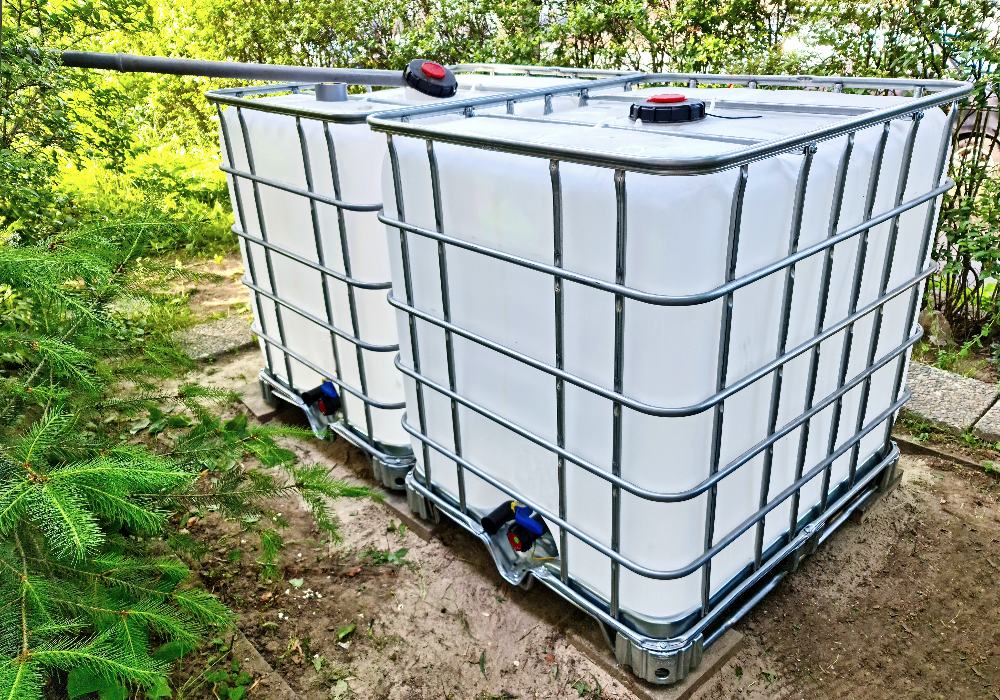
Rainwater Harvesting:
IBC totes have become a popular choice for rainwater harvesting due to their size, built-in drain valve, and ability to be moved and stacked. An old or used IBC, while still clean, can be used to collect and store rainwater on a farm, vineyard, ranch, or homestead. Harvested rainwater can be then used for different agricultural needs that require water such as irrigation, drinking water for livestock, or cleaning equipment or machinery.
With the correct system equipment, rainwater harvesting IBC totes can be used to provide potable grade, drinking quality water safe for large livestock operations such as poultry houses and heating/cooling systems.
Waste Disposal:
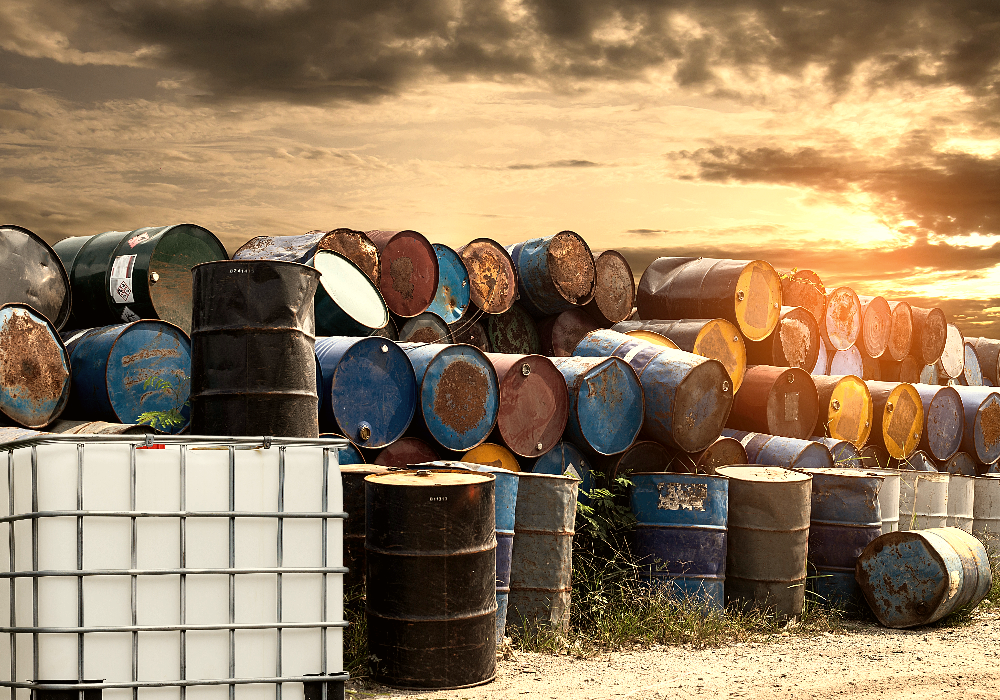
Old or used IBC totes can be repurposed to collect and dispose of agricultural waste. In this application, IBC totes provide a larger storage volume for handling more wastes, maintain a closed container to prevent spills, can be more easily transported, potentially recycled, and overall helps to reduce the environmental impact of farming practices.
Aquaponics:
A common DIY practice, new and used (but still clean) IBC totes can be used for various needs in aquaponics systems. Aquaponics IBC totes can be used as fish stock tanks, sump tanks, clarifying containers, biofilters, clean water tanks, and modified into grow basins so farmers can grow plants and raise fish in a controlled environment for optimal growing conditions and water conservation.
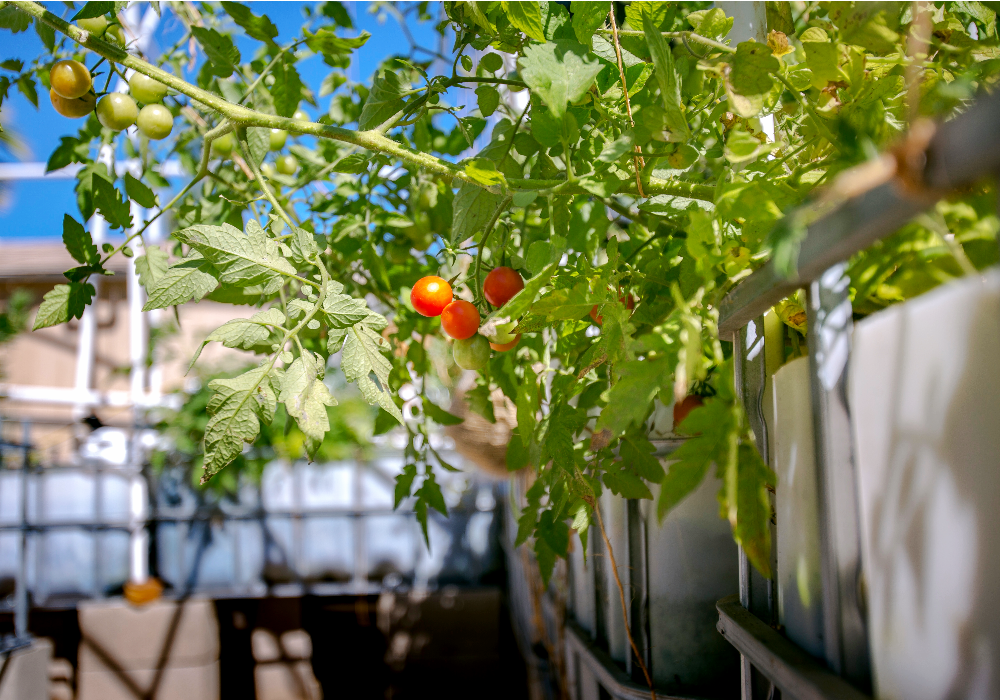
Hydroponics:
IBC totes can be repurposed into grow basins for growing crops in a hydroponics setup. In hydroponics, IBCs can also be used for additional needs such as adding, mixing, and delivering grow nutrients, water changes, or rainwater harvesting to replace water lost due to evaporation.
Agricultural Benefits and Advantages of IBCs
There are many benefits and advantages to the use of IBC totes in agriculture.
- Versatile: IBC totes are adaptable and multipurpose containers built to handle and be used for a wide range of applications, work conditions, and cargo.
- Ease of Use: With their user-friendly design, IBC totes can be easily filled, emptied, and moved around when and where needed, which saves time and effort.
- Convenience: IBC totes are engineered to be easily transported and loaded onto vehicles for the convenient distribution and quick delivery of agriculture materials and products.
- Space Efficient: The cubical, box-like shape of IBC containers allows the totes to be easily stacked and organized to make the most efficient use of space.
- Space Optimization: The stackable design allows both storage capacity and space to be optimized and maximized onsite whether this is in a barn, warehouse, equipment shed, or on the field.
- Cost-Effective: IBC containers are reusable and have a long service life, depending on use, making them a cost-effective solution.
- Cost Savings: By minimizing waste, reducing the need for new containers, and providing long-term use, IBC totes can save money over time.
- Environmental-Friendly: The reusability and repurposing capability of IBC totes reduces overall waste, which in turn contributes to environmental conservation practices.
- Durability: Built from high-strength materials, IBCs can withstand the tough working conditions common to agriculture and can take heavy use without compromising their structural integrity.
- Hygienic: IBC containers are designed to maintain the wholeness and quality of their contents and ensure hygienic conditions are maintained and can be maintained.
- Safety: Engineered with safety features such as secure closures, recessed ball valves, heavy duty construction materials, and compatibility with common handling equipment allows IBCs to provide safe handling and storage of their contents.
- Compliance: Most IBC totes are designed, built, and tested according to industry standards and regulations so they comply with safety and environmental requirements.
- Sustainability: The reusable and recyclable nature of IBC totes contributes to sustainable farming practices and can help to reduce the collective environmental impact of farming operations.
By understanding IBC tote containers, what they offer, and how to incorporate them into current agriculture and farming practices, IBCs can help the modern farmer achieve better job efficiency, cost savings, and contribute to sustainability efforts. As agriculture continues to improve and change, adopting new and innovative solutions, such as the IBC tote, becomes vital to staying productive, improving on old methods, discovering new ones, and staying competitive.
Choosing the Right Agriculture IBC
Choosing the right IBC tote for your farming needs can help optimize your work operations and yield better results. Here are some tips on selecting an IBC:
1. Consider the Material:
IBC totes come in different materials, including composite, all plastic, carbon steel, and stainless steel. Your choice should be based on what you plan to store in them, (for compatibility), potential service life, as well as budget. For example, stainless steel totes are a more suitable choice when handling materials that could degrade plastic, when a longer lasting container is needed, and for applications where a large manway is beneficial. If the cheapest material option is the main need, then the poly caged intermediate bulk container is the best choice.
2. Consider the Capacity:
IBC totes are available in different capacities that typically range from 120 gallons to 550 gallons. Choose the size that will match your storage needs, available space, and ability to maneuver the container. The 275 gallon and 330 gallon IBC sizes are the most often used. The Megatainer is the industry’s largest all-polyethylene IBC container with a 550 gallon capacity.
3. Check the Valve Type:
The drain valve on the tote can make a big difference when it comes to dispensing contents. While most IBCs feature a 2″ ball valve with quick connect capability, there are non-standard sizes and different valve types available. The pre-installed valve type largely depends on the tote manufacturer. When shopping different suppliers, choose the valve size and type that is most compatible with your work needs.
4. Inspect the Condition:
Whether you’re purchasing a new or used IBC tote, always inspect it before purchase (in person buying) or on arrival (ship direct buying) for any damages. Most often these occur during transport or in the case of used IBCs, as normal wear-and-tear. Minor scuffs or scratches are normal and should not affect the container’s integrity. If major damage is observed (punctures, tears, etc.) from an online order / quote, refuse the shipment and tell the carrier you will contact the IBC provider. Secondhand IBCs from an unofficial reseller should always be thoroughly inspected and always find out what the tote held if possible.
5. Ensure Cleanliness:
If you’re buying used, secondhand IBC totes, such as those not from an authorized distributor, make sure they have been thoroughly cleaned and sanitized before you use them. This is especially true if the totes were previously used to store chemicals or non-food substances. Used IBCs from an authorized distributor, such as IBC Tanks, are inspected, cleaned, and approved for further use. Note however, even certified used IBCs, also known as reconditioned IBCs, should never be used for potable water or food-grade applications.
6. Review Compliance:
Always ensure your work efforts, protocols, and the IBC containers will comply with any local and/or regional regulations or safety standards that may apply to storing and transporting the cargo you will put in the tote. This largely applies to dangerous / hazardous chemicals; e.g., pesticides, herbicides, sodium hydroxide, etc. All of our IBCs, excluding carbon steel, are UN/DOT approved with the necessary permit labels for freight handling Packing Group II and III hazardous materials.
Takeaway | Role of IBC Totes in Modern Farming Practices
IBC totes have proven themselves as versatile and trustworthy containers for various applications across modern agriculture. From irrigation, providing feedstock and transportation to the storage of performance chemicals, their use has led to better efficiency and cost savings for farmers. As the agricultural industry continues to face challenges and expand, adopting new and innovative solutions like IBC totes becomes vital to creating change and improving our methods.
Choose IBC Tanks, The IBC Tote Authority, for a wide selection of IBC containers at some of the industry’s most competitive pricing. Bulk pricing benefits and wholesale discounts may be available for large-quantity orders on select cage IBC totes. Use the contact details below to connect with our support experts today.