

Are IBC Totes Good for Long-Term Water Storage?
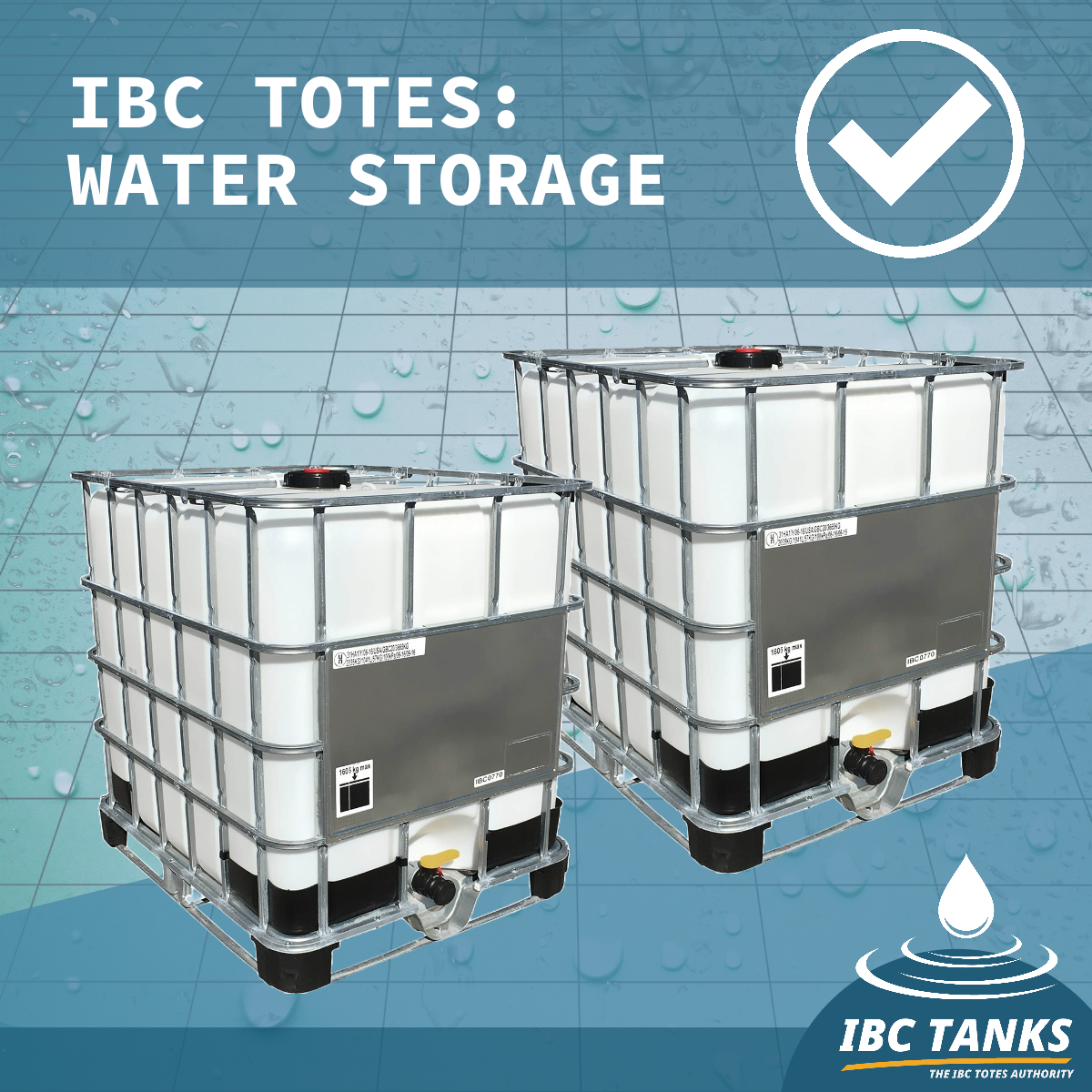
IBC totes are one of the most practical and cost-effective options available for long-term water storage. When the correct type of IBC container is selected and properly maintained, intermediate bulk containers can safely store water for months or even years. However, not all IBC totes are equally suited for this purpose, and several important factors must be considered before using an IBC tote for potable or non-potable water storage.
This guide covers the key considerations for using IBC totes for long-term water storage, including food grade requirements, UV protection, algae prevention, material selection, and recommended maintenance practices.
Food Grade IBC Totes for Water Storage
The single most important factor when selecting an IBC tote for water storage is whether the container is food grade. Food grade IBC totes are manufactured from high-density polyethylene (HDPE) resin that meets FDA requirements for contact with consumable products and potable water. These containers are also ANSI/NSF 61 certified, which confirms they are safe for storing drinking water.
Non-food-grade IBC totes may have previously held chemicals, solvents, fertilizers, or other non-food substances. Even after cleaning, residual contaminants can remain embedded in the HDPE material, making these totes unsuitable for storing potable water. Non-food-grade totes should only be considered for non-potable applications such as irrigation, construction water, or fire suppression reserves.
Key Point: Only use IBC totes that are explicitly labeled as food grade or that have a documented history of containing only food-grade materials for potable water storage. New IBC totes are always the safest option.
New vs. Reconditioned vs. Rebottled IBC Totes
IBC totes are available in three primary conditions, each with different suitability levels for long-term water storage:
| Condition | Description | Water Storage Suitability |
|---|---|---|
| New | Brand new, never used. Manufactured from virgin HDPE resin with full FDA/NSF certification. | Best option. Guaranteed food grade with no contamination history. |
| Rebottled | Original HDPE inner bottle is replaced with a new bottle inside the existing cage and pallet. | Good option. New bottle means new food-grade interior, provided the rebottle process is certified. |
| Reconditioned | Original bottle is cleaned, pressure tested, and re-certified. Cage and valve may be repaired or replaced. | Use with caution. Only suitable if the tote’s prior contents were food grade and full documentation is available. |
UV Protection and Sunlight Exposure
One of the most significant challenges when using IBC totes for outdoor long-term water storage is ultraviolet (UV) degradation. Standard HDPE IBC totes are susceptible to UV damage from prolonged sunlight exposure. Over time, UV radiation causes the plastic to become brittle, develop microcracks, and potentially leach substances into the stored water.
Most IBC totes include UV inhibitors in the HDPE resin formulation, but the level of UV protection varies by manufacturer and model. Standard caged IBC totes typically provide basic UV resistance rated for approximately one year of outdoor exposure. For long-term storage beyond this period, additional UV protection measures are necessary.
Methods for UV Protection
- IBC tote covers and sleeves: Custom-fit UV-resistant covers made from woven polyethylene or similar materials that wrap around the tote and provide full sun blockage.
- Tarp or shade cloth: A cost-effective approach using heavy-duty tarps or commercial shade cloth (70-90% UV block) positioned above and around the tote.
- Indoor storage: Storing IBC totes inside a building, shed, or garage eliminates UV exposure entirely and is the most reliable long-term solution.
- Paint coating: Applying a coat of UV-resistant paint to the exterior of the HDPE bottle. This is less common and may affect the ability to inspect the container for damage.
- Enclosed structures: Building a simple three-sided shelter or placing totes under an overhang provides significant UV reduction while maintaining ventilation.
Warning: Never store water in a clear or translucent container in direct sunlight without UV protection. Sunlight promotes algae growth and accelerates plastic degradation. Dark-colored or opaque containers provide better inherent UV resistance than light-colored ones.
Algae Prevention
Algae growth is one of the most common problems encountered during long-term water storage in IBC totes. Algae requires three conditions to grow: sunlight, nutrients, and warm temperatures. Eliminating or minimizing these factors is essential for maintaining water quality over extended periods.
Strategies to Prevent Algae
- Block all light: The most effective method. Ensure the IBC tote receives zero direct sunlight. Even indirect light through thin plastic can promote growth over time.
- Seal fill openings: Keep the top fill cap tightly closed at all times. Use a sealed vent cap to prevent light ingress through the top opening.
- Use opaque totes: Black or dark green HDPE totes block significantly more light than natural or white totes. Black rebottled IBC totes are available specifically for water storage applications.
- Initial water treatment: When filling the tote, treat the water with a food-grade sanitizer such as unscented household bleach (sodium hypochlorite) at a rate of approximately 1/8 teaspoon per gallon, or use chlorine dioxide tablets designed for water storage.
- Regular maintenance: Inspect stored water every 3-6 months. If any discoloration, odor, or particulate matter is detected, the water should be treated, filtered, or replaced.
Water Storage Capacity and IBC Tote Sizes
IBC totes are available in several capacities suitable for water storage. The most common sizes used for this application are:
- 275 gallon IBC totes: The most widely available and commonly used size. Fits standard pallet dimensions (42″ x 48″ footprint). Weighs approximately 2,300 pounds when full.
- 330 gallon IBC totes: Slightly taller than the 275-gallon model with the same footprint. Weighs approximately 2,770 pounds when full.
- 550 gallon Megatainer IBC totes: A larger all-plastic option with approximately a 48″ x 48″ footprint. Weighs approximately 4,600 pounds when full. Best suited for ground-level storage on reinforced surfaces.
Weight Consideration: A full 275-gallon IBC tote weighs over 2,300 pounds. Ensure the storage surface can support this weight. Concrete pads or reinforced flooring are recommended. Never stack full water storage totes unless the IBC is specifically rated and designed for stacking at that weight.
IBC Tote Types for Water Storage
Caged IBC Totes
Caged composite IBC totes are the most common and affordable option for water storage. They feature an HDPE inner bottle surrounded by a galvanized steel cage with an integrated pallet base. Their advantages include low cost, wide availability, four-way forklift access, and easy inspection of the interior bottle through the cage openings. The primary disadvantage is that the cage openings allow some light penetration, making UV protection measures especially important.
Square Stackable IBC Totes
All-plastic square stackable IBC tanks are another good option for water storage. These rotationally molded containers have thicker HDPE walls (typically 1/2 inch) compared to caged totes, providing better insulation and durability. The solid plastic construction eliminates the light penetration issue present with caged totes, offering better inherent algae prevention. Stackable IBCs are also rated for stacking when full, which can significantly reduce the storage footprint.
Ultratainer IBC Totes
Ultratainer IBC totes are premium all-plastic intermediate bulk containers with a one-piece molded body. They offer excellent chemical resistance, a seamless interior that is easy to clean and sanitize, and superior structural integrity. The 330-gallon Ultratainer is a popular choice for water storage applications where durability and longevity are priorities.
Temperature Considerations
Water stored in IBC totes is subject to temperature fluctuations, which can affect water quality and container integrity:
- Freezing: HDPE IBC totes can withstand freezing temperatures, but water expansion during freezing can damage the container. When water freezes, it expands by approximately 9%. This expansion can deform the HDPE bottle, stress fittings and valves, and potentially cause cracking. For areas with freezing temperatures, either store totes in a temperature-controlled environment or leave adequate headspace (do not fill completely full) to accommodate expansion.
- Heat: Extended exposure to high temperatures can accelerate UV degradation, promote algae growth, and cause the HDPE to soften slightly. In hot climates, prioritize shaded or indoor storage and consider lighter-colored covers that reflect heat.
- Thermal cycling: Repeated freeze-thaw cycles are particularly damaging to HDPE. The repeated expansion and contraction stresses the material and can lead to premature failure. Avoid locations where the tote will experience frequent temperature swings across the freezing point.
Fittings, Valves, and Accessories
Proper fittings and accessories are important for effective long-term water storage in IBC totes:
- Bottom drain valve: Standard IBC totes are equipped with a 2-inch ball valve at the bottom. Ensure the valve material is food grade (typically HDPE or polypropylene) and that the valve seals properly. Replace worn or leaking valves before filling.
- Vent cap: A properly functioning vent cap is essential. The vent allows air to enter as water is dispensed but should be sealed against contaminants and insects. Fine mesh vent screens are available.
- Fill cap seal: The 6-inch fill cap should include a gasket or seal to prevent contamination and evaporation. Consider adding a secondary tamper-evident seal for stored potable water.
- Hose connections: Camlock fittings, quick disconnect fittings, or garden hose adapters can be attached to the bottom valve for easy water dispensing.
- Level indicators: External level gauges or sight gauges can be installed to monitor water levels without opening the container.
Water Treatment and Maintenance Schedule
Long-term water storage requires periodic maintenance to ensure water remains safe and the container remains in good condition:
Initial Setup
- Thoroughly clean the IBC tote interior with a mild food-grade sanitizer solution, even if the tote is new.
- Rinse completely with clean water until no sanitizer residue remains.
- Fill with clean, treated water from a municipal supply or tested well water.
- Add appropriate water preservative (chlorine-based or non-chlorine alternative).
- Seal the fill cap and vent cap tightly.
- Apply UV protection (cover, tarp, or move to shaded/indoor location).
- Label the tote with the fill date, water source, and treatment used.
Ongoing Maintenance
| Interval | Action |
|---|---|
| Every 1-3 months | Visually inspect water through fill opening for clarity, odor, and floating particles. Check UV protection for damage. Inspect for leaks. |
| Every 6 months | Test water chlorine residual. Re-treat if chlorine level is below 0.5 ppm. Inspect all fittings, gaskets, and valve for wear. |
| Every 12 months | Consider fully draining, cleaning, and refilling the tote. Inspect the HDPE bottle interior for signs of cracking, discoloration, or biofilm buildup. |
| Every 2-3 years | Replace the vent cap gasket and fill cap seal. Evaluate whether the tote should be replaced based on its condition and UV exposure history. |
Stacking Full Water IBC Totes
Stacking IBC totes that are filled with water requires careful consideration. Water is heavy, and not all IBC totes are designed to support the weight of another full tote above them:
- Caged IBC totes: Most caged totes are rated for stacking empty totes only (up to 3 high). Stacking full caged totes is generally not recommended and may exceed the cage’s structural capacity.
- Square stackable IBC totes: These are specifically engineered and rated for stacking when full. Follow the manufacturer’s stacking guidelines, which typically specify a maximum stack height of 2 to 4 totes depending on the model.
- Ultratainer and Megatainer: Check manufacturer specifications. The Ultratainer may have limited stacking capability when full, and the Megatainer’s size and weight generally make stacking impractical.
Important: Never stack IBC totes beyond the manufacturer’s rated capacity. A structural failure of a full water tote can release over 2,000 pounds of water suddenly, creating a dangerous flood hazard and potential for injury or property damage.
Regulatory and Compliance Considerations
For most residential and farm water storage applications, IBC totes are not subject to specific regulatory requirements. However, certain situations may involve compliance considerations:
- Public water supply: Any IBC tote used as part of a public water distribution system must meet all applicable state and local regulations, which may require specific certifications beyond standard food grade.
- Commercial food processing: IBC totes used in food manufacturing facilities must comply with FDA, USDA, and relevant state food safety regulations.
- Fire suppression water reserves: Some jurisdictions have specific requirements for fire water storage containers, including minimum capacity, access, and marking requirements.
- Agricultural water storage: Farm water storage may be subject to environmental regulations, particularly regarding runoff containment and groundwater protection.
- UN/DOT rating: The UN/DOT approval on an IBC tote pertains to the transport of hazardous materials. While UN-rated totes are manufactured to high standards, the UN rating itself is not directly relevant to stationary water storage. However, UN-rated totes are generally of high quality and suitable for water storage.
Common IBC Tote Water Storage Mistakes
- Using non-food-grade totes for drinking water: Even thorough cleaning cannot guarantee removal of all chemical residues from HDPE that has absorbed non-food substances.
- Storing in direct sunlight without protection: Leads to algae growth, accelerated plastic degradation, and potential water contamination.
- Filling completely in freezing climates: Water expansion during freezing can crack the HDPE bottle or damage fittings.
- Neglecting periodic maintenance: Untreated water can develop bacterial growth, biofilm, and unpleasant taste over time.
- Stacking inappropriate totes when full: Caged totes stacked full can collapse under the weight, causing catastrophic failure.
- Using damaged totes: Cracks, deep scratches, or damaged valves can lead to slow leaks or sudden failure under the weight of 2,000+ pounds of water.
- Not labeling the tote: Without labeling, it becomes difficult to track fill dates, treatment history, and water source.
Conclusion
IBC totes are an excellent choice for long-term water storage when the correct type is selected and proper maintenance is followed. Food grade new or rebottled IBC totes provide the safest option for potable water, while proper UV protection and water treatment are essential for maintaining water quality over time. Caged IBC totes offer the best value, while all-plastic stackable and Ultratainer models provide superior durability and better inherent light blocking.
For water storage applications, IBC Tanks carries water IBC totes in new, rebottled, and reconditioned conditions, including 275-gallon new IBC totes, 275-gallon rebottled IBC totes, 330-gallon new IBC totes, 330-gallon Ultratainer IBC totes, and 550-gallon Megatainer LX IBC totes. Contact our sales team for assistance selecting the right IBC tote for your water storage needs.